


“History worth reading. Stories worth remembering.”
The summer of 2026 has been defined by the sheer joy of millions of fans cheering for their favorite teams at the World Cup in North America, whether from the packed stadiums or the comfort of their homes. In my previous essay, we explored the ancient precursors of the sport—tracing its roots through ancient Greece, Rome, the Maya, and the Aztecs—while also settling the age-old debate between “football” and “soccer.” However, I left you with a promise: to delve into a much darker chapter of football history. A true story of survival and defiance that even inspired a famous Hollywood blockbuster.
(στο τέλος θα βρείτε το κείμενο και στα ελληνικά)
On the afternoon of Sunday, August 9, 1942, the heat in occupied Kyiv was unbearable, yet thousands of football fans were heading toward Zenit Stadium. Scheduled for five o’clock was a match destined to make history. As the temperature finally began to drop, the eager crowd waited for the two teams to take the pitch. The home side, FC Start, wore dark red shirts and white shorts. The visitors, the German Flakelf, appeared in white shirts and black shorts. When the referee blew the opening whistle, a fierce contest began. The home team ultimately won decisively, sending the local fans into a frenzy while the officers of the occupying forces glared at them from the stands. This match would be remembered as the “Death Match,” a game that quickly emerged as a symbol of resistance against the Nazi occupation for the decades to come.
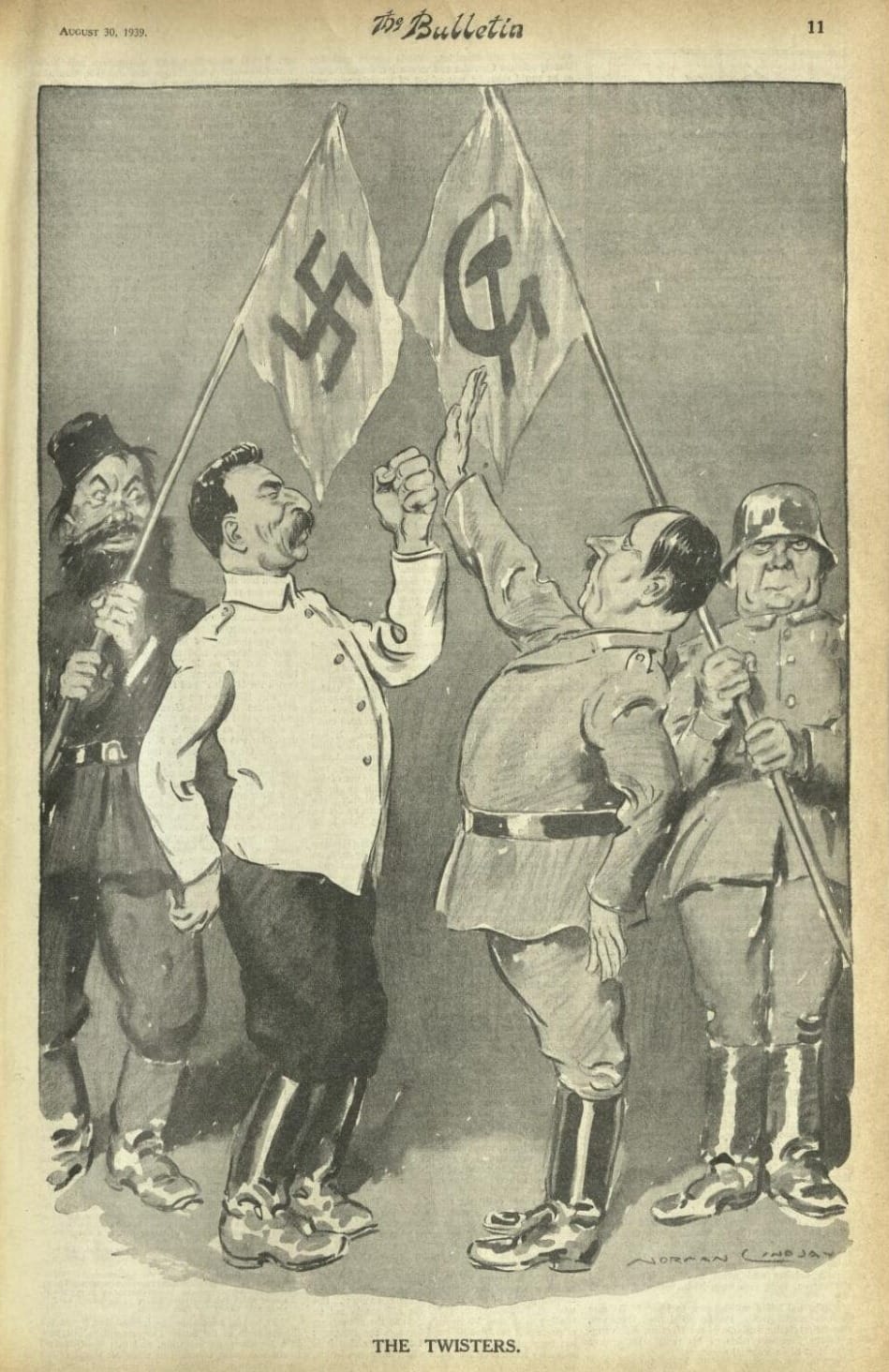
To understand how a simple football match turned into a matter of life and death, however, one must look at the broader picture of the Second World War. On August 23, 1939, a few days before the outbreak of the war, the German-Soviet Non-Aggression Pact, or Molotov-Ribbentrop Pact, was signed. With it, the two sides divided Eastern Europe into spheres of influence, paved the way for the partition of Poland, and created the illusion that neither would attack the other.
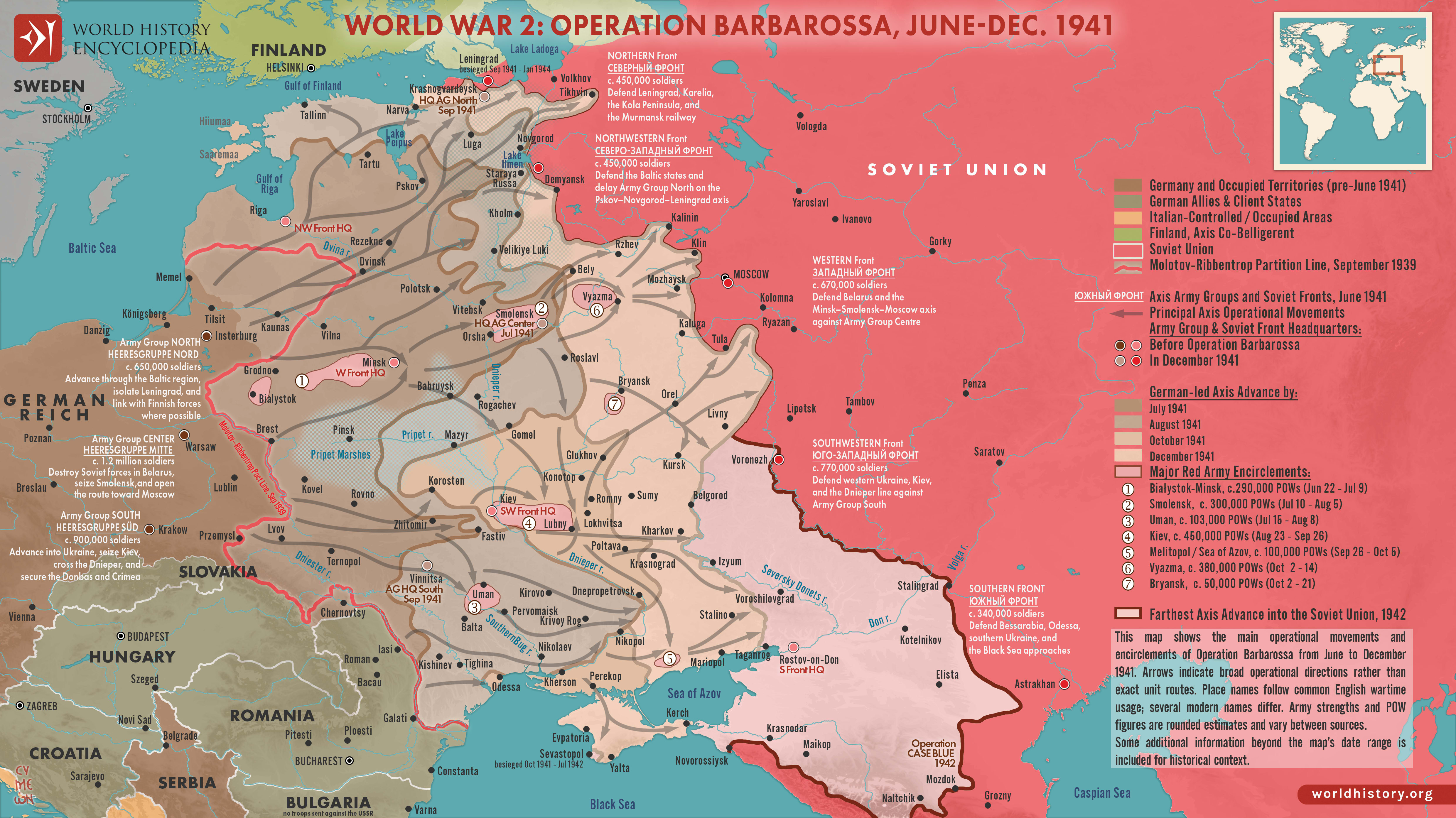
This illusion was shattered at 3:00 a.m. on June 22, 1941. Having just secured his southern flank with the complete occupation of Greece and the airborne assault in the Battle of Crete, Adolf Hitler launched Operation Barbarossa, a massive invasion of the Soviet Union. The Balkan campaign may have cost him valuable time, but initially, the German advance seemed unstoppable. The Red Army, disorganized by Stalin’s recent purges, found itself retreating in disarray across all fronts.
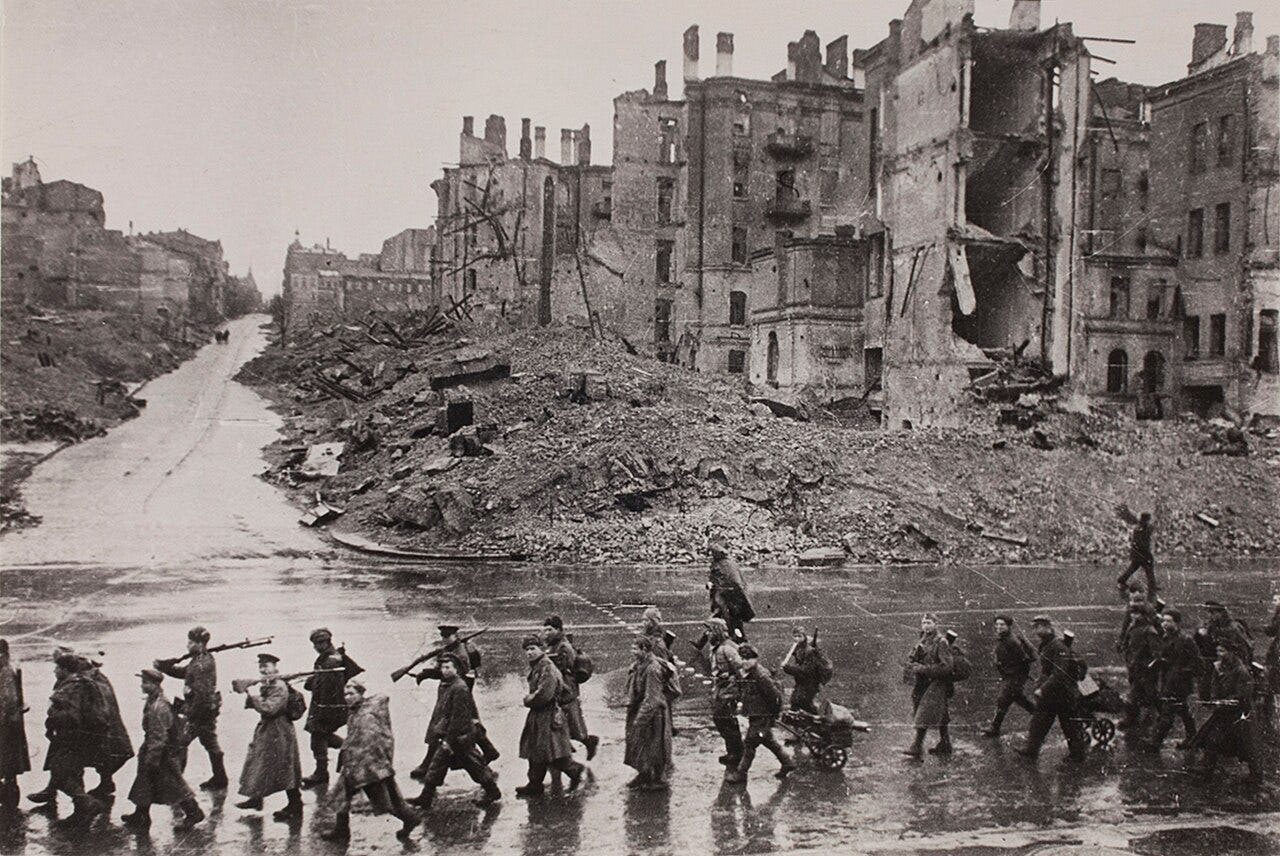
The Eastern Front quickly became the most brutal theater of the war. The invading forces pushed deep into Soviet territory with a swift, three-pronged assault. One of their main spears thrust south, toward the Ukrainian capital. Beginning on July 7, the defending troops engaged in a desperate street-by-street struggle, employing a scorched-earth policy that left factories and warehouses in ruins. By the time the city fell to the Wehrmacht on September 26, 1941, the fourth bloodiest battle of World War II had concluded, paving the way for the conquest of Eastern Ukraine.
The people of Ukraine found themselves caught between a rock and a hard place. Their plight, however, had not begun with the German invasion. Throughout the 1930s, the local population had suffered immensely under Joseph Stalin. The Soviet leader harbored a paranoid suspicion of Ukrainian nationalism and a deep fear that the region might attempt to break away from his empire. His agricultural policies deliberately engineered the Holodomor, a man-made famine that led to the deaths of millions. This tragedy was followed by the Great Terror (or Great Purge) of 1937, a period of political repression during which countless citizens were arrested by the secret police, tortured, sent to the Siberian Gulags, or summarily executed.
Because of this recent history, some Ukrainians—particularly in Central and Eastern regions like Kyiv, where the trauma of the artificial famine was fresh—initially viewed the approaching German troops as a temporary disruption to Soviet oppression. At the same time, hardcore nationalist factions originating from Western regions like Galicia (who had not experienced the Holodomor under Polish rule) saw the invasion as an opportunity. Driven by ethnosupremacist ideologies, they hoped the Germans would help them establish a “pure,” independent Ukrainian state.
For all of them, however, the reality of life under the Nazi boot proved to be entirely different. The new conquerors regarded the local population as subhuman and immediately established a reign of terror. Within the first few weeks of the occupation, tens of thousands of Jewish residents and other citizens were massacred in a ravine just outside the city, at Babi Yar. The German authorities enforced policies of extermination through starvation and the freezing winter cold.
Faced with this brutal occupation, the region became a chaotic battleground. While the vast majority of Ukrainians fought against Germany within the ranks of the Red Army, suffering massive casualties to liberate their homeland, certain nationalist factions chose to collaborate or formed independent insurgent groups. These underground factions soon found themselves locked in a multi-sided, perpetual conflict, fighting both the advancing German army and the returning Soviet partisans.
Amidst this environment of constant fear and starvation, football remained a rare source of solace. During the 1930s, the sport had become immensely popular in the Soviet Union. The establishment of the Soviet Top League brought a new level of professionalism to the game. Two rival clubs, Dynamo and Lokomotiv, dominated the Kyiv scene. Dynamo Kyiv was among the most successful, frequently finishing near the top of the national championship. Like many successful sports clubs in the Soviet system, Dynamo was officially funded by the state apparatus—specifically the secret police, the NKVD.
Unlock the final chapters and discover the truth behind the myth:
How former Dynamo stars found refuge in a Kyiv bakery and formed the amateur FC Start, humiliating a succession of Axis military teams.
The dramatic events of August 9 against the Luftwaffe’s elite team and the blunt German threats.
Separating historical fact from Soviet myth: We explore the declassified archives. What happened to the FC Start’s players after all?
And finally: How this grim historical reality was reimagined by Hollywood in the 1981 classic film, starring Sylvester Stallone, Michael Caine and Pelé.

