


“History worth reading. Stories worth remembering.”
In the spring of 1941, almost the whole of Europe lay under the shadow of the swastika. The Second World War is raging, Britain seems to be standing alone against the Nazi war machine, while the United States watches, holding its breath on the other side of the Atlantic, still not part of the war, with the Japanese attack on Pearl Harbor still months away.
In the midst of this bleak reality, Greece had been the first ray of hope for the free world. The epic struggle in the mountains of Pindus and Albania during the Greco-Italian War had shattered the myth of an invincible Axis. From October 1940, Greece not only managed to resist the superior Italian forces, but pushed them back deep into Albania. It was now clear that Hitler would have to intervene.
In April 1941, German forces, aided by the Bulgarians, invaded Greece. Along the Metaxas Line — an extensive network of 21 autonomous underground and above-ground fortifications on the Greek-Bulgarian border, aptly described as the “Greek Maginot Line” due to its similar defensive design and philosophy — the forts did not surrender, but were rather taken only after a furious, heroic defence. Despite the courage of the Greeks and the assistance of the British and Commonwealth forces, including Australians, New Zealanders, Cypriots, and even Jews and Arabs from British‑mandate Palestine, as well as exiled Spanish Republicans, the so‑called ‘Churchill’s Spaniards, the front eventually collapsed.
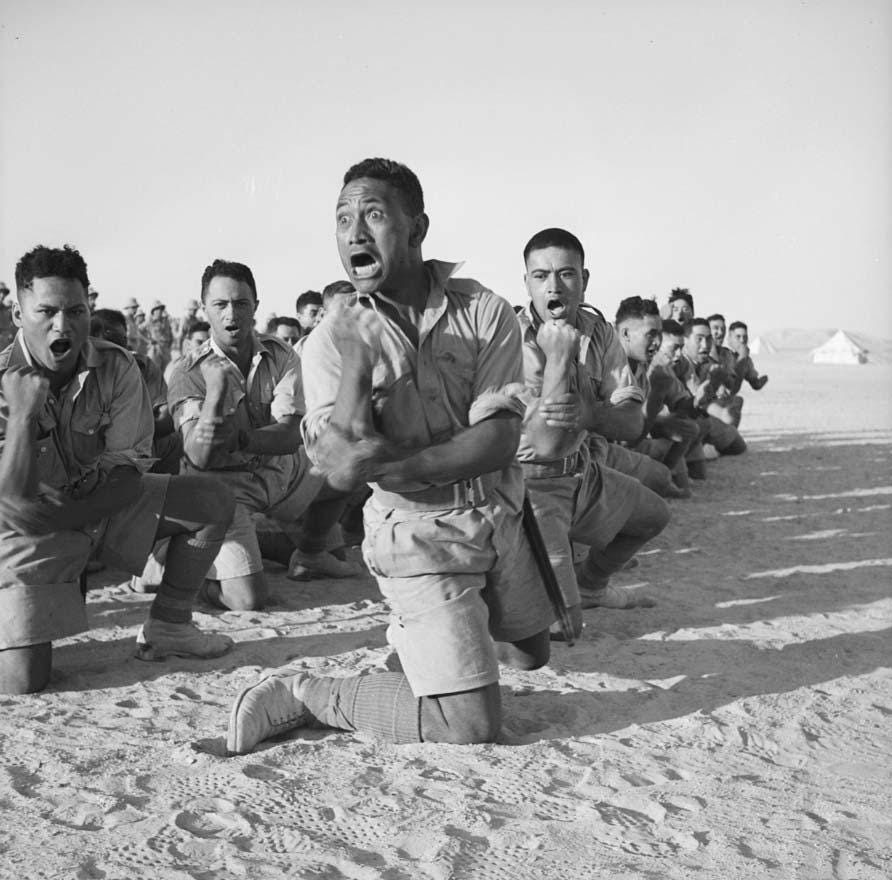
After two weeks of resistance, Greece was forced to capitulate. The Greek king, the government and whatever forces could be saved fled to the last piece of free Greek soil: the island of Crete. Their aim was to regroup and eventually continue the fight from the Middle East and Egypt.
For Hitler, however, Crete was a strategic thorn in the side of an already triply occupied Greece (by Germany, Italy and Bulgaria). As long as the island — this vast natural aircraft carrier — remained in Allied hands, British bombers could reach as far as the vital Romanian oil fields (the fuel of the German war machine) and control the Eastern Mediterranean. The order was clear: Crete had to fall.
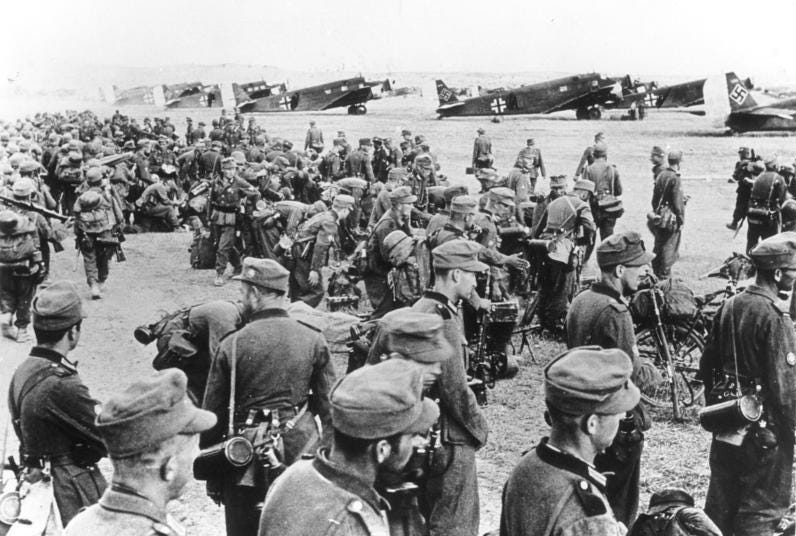
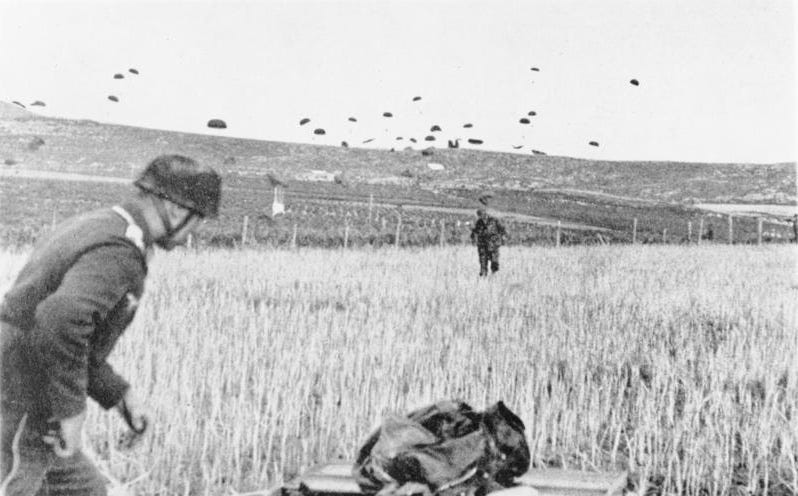
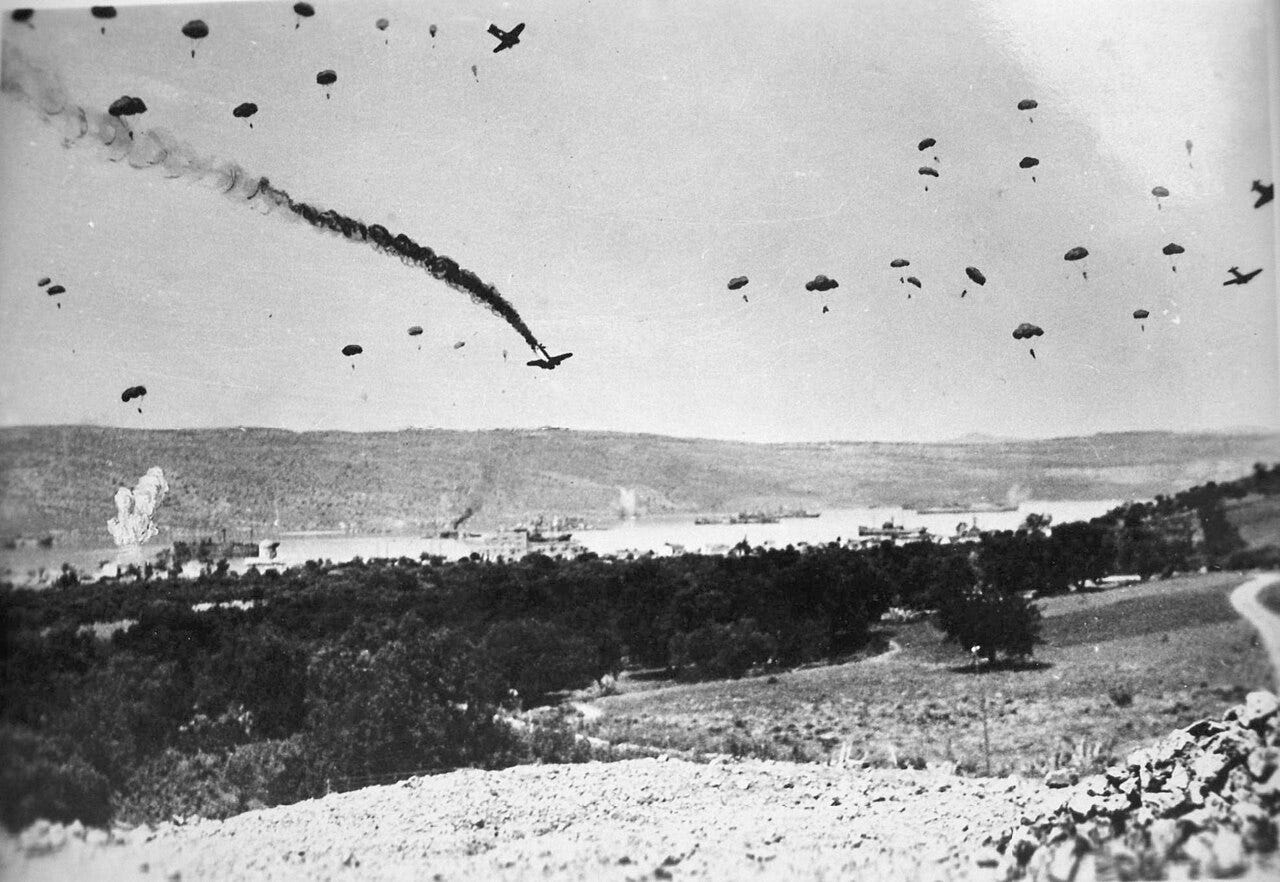
On the morning of 20 May 1941, the sky over Chania in Crete, filled with parachutes. Operation Mercury (Unternehmen Merkur) had just begun. It was the first major, purely airborne invasion in history.
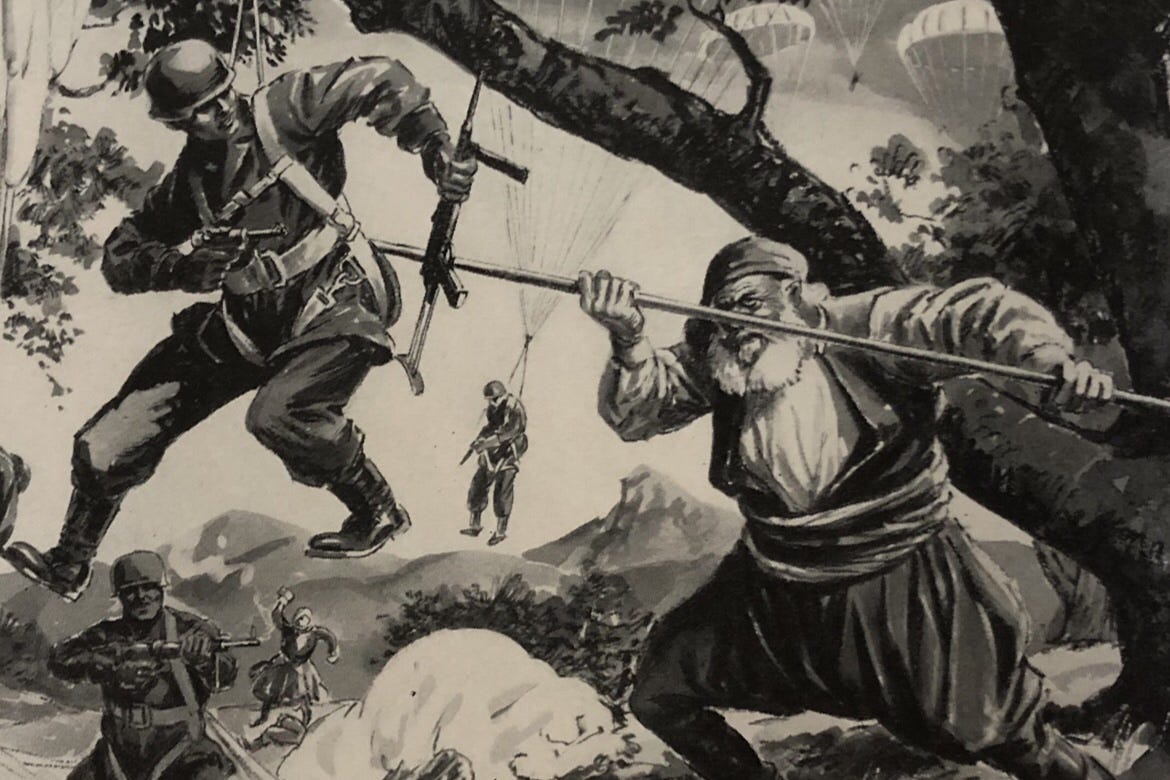
What the German paratroopers encountered, however, was not what they expected. The Allied forces, together with the remnants of the Greek army, enjoyed numerical superiority. But the greatest shock came from the locals. Men, women, the elderly and even children, armed with old rifles, pitchforks, even stones, hurled themselves into the fight, inflicting unprecedented casualties on the invaders. It was a kind of resistance the Nazis never forgot, taking their revenge later on the Cretan population with unspeakable brutality and mass executions in villages such as Kondomari and Kandanos.
In the first days, the balance tipped in favour of the Allies. The Germans were being cut down in the air and on the ground — so much so that Hitler forbade any similar large‑scale airborne operation from being attempted again, at the very time when the Allies were carefully studying the German debacle in order to apply the lessons properly a few years later in Normandy.
Yet the fate of the island was sealed by tragic errors of strategy. The New Zealand general Bernard Freyberg, commander of the Allied forces, failed to exploit a huge advantage: the British had broken the German Enigma code through the Ultra programme and were sending him precise reports. He knew an attack was coming.
Unlock the final chapters:
How the Allies let Crete slip through their fingers: The strategic errors that decided the fate of the island.
The Māori and “Pō Atarau”: The heartbreaking final moments of the Sfakia evacuation and the song that united the stranded soldiers in the dark.
From Crete to Pink Floyd & Hollywood: How this farewell melody reached Vera Lynn, echoed in Pink Floyd’s The Wall and became the emotionally intense climax of Ryan Gosling’s Project Hail Mary.
Bonus Video - Hitler’s Secret Recording: A rare audio document (the infamous Finland recording) where Hitler privately confesses how the unexpectedly fierce resistance in Greece led to the fatal delay of Operation Barbarossa.
(P.S. For my Greek readers, a full translation of the essay is included at the very bottom of the post).
Unearthing the history of the Battle of Crete—and uncovering deeply human moments like these, such as a heartbreaking Māori farewell song echoing in the dark—takes more than a quick online search. It requires many hours of meticulous research while I balance fatherhood, my work shifts, and my studies in archaeology and art history. If you value this kind of authentic, deep-dive history and want to support the effort behind it, upgrading to a paid subscription makes all the difference. Join our community to unlock the final, gripping chapters of this story.
You can also show your support by treating me to a frappé coffee or buying me a book:

