


With heartfelt joy was gladdened
Fair Washington’s own land,
And recalled the chains that bound her,
By tyrant’s cruel hand.
Hymn to Liberty
by Dionysios Solomos, translated (a selected excerpt—not the above) by Rudyard Kipling
(you can find the text in Greek below)
In the 22nd stanza of Dionysios Solomos' "Hymn to Liberty", the first two stanzas of which became the National Anthem of Greece, there is a reference to the American Declaration of Independence, which was published on this very day in 1776.
Solomos was right. Indeed, the news of the Greek Revolution caused great enthusiasm in the United States. America was untouched by the spirit of the Holy Alliance that prevailed in Europe. In December 1823, just two and a half years after the outbreak of the Revolution and while battles were still raging, U.S. President Monroe, in a speech to Congress, acknowledged that a sovereign Greek territory had already been established and proposed sending an American ambassador to Greece.
Ultimately, the first American ambassador arrived in Greece in June 1828, even though Greek independence had not yet been officially recognized.
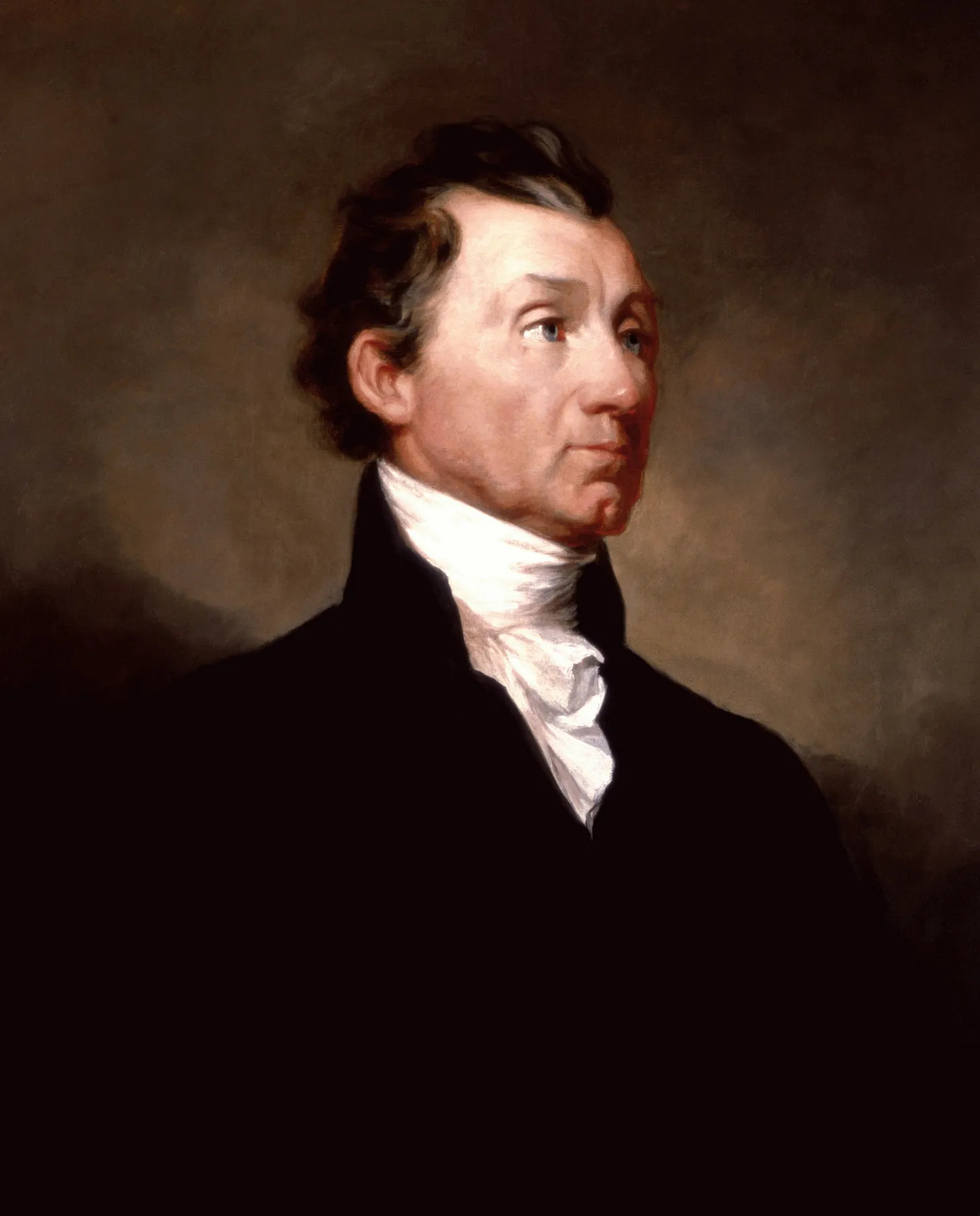
The first known communication of the Greeks with the U.S. was by Petrobey Mavromichalis as early as 1821, who just a few weeks after the outbreak of the Revolution sent a letter to the future Secretary of State and President, John Quincy Adams, requesting America’s help:
Behind the paywall:
A Tale of Two Revolutions: Exploring the profound ideological bonds and the direct inspiration the Greek struggle drew from the American model.
The Diplomatic Front: Looking into the private correspondence of Greek revolutionaries with American leaders, including the future President John Quincy Adams.
Ideals of Liberty: How the American Declaration of Independence became a beacon for the Greek nation-in-the-making.
Art and Philhellenism: The relatively unknown story behind John Trumbull’s iconic painting and a truly unique case of American support for the Greek cause.
And finally: The whole essay in Greek and a list of sources.
Here’s 10% off to keep reading behind the paywall. (Further discounts apply for yearly subscriptions):
