


“History worth reading. Stories worth remembering.”
The Epicurean philosopher, poet, and epigrammatist Philodemus was born in 110 BC in Hellenistic Gadara, a city located in the region of present-day Jordan.
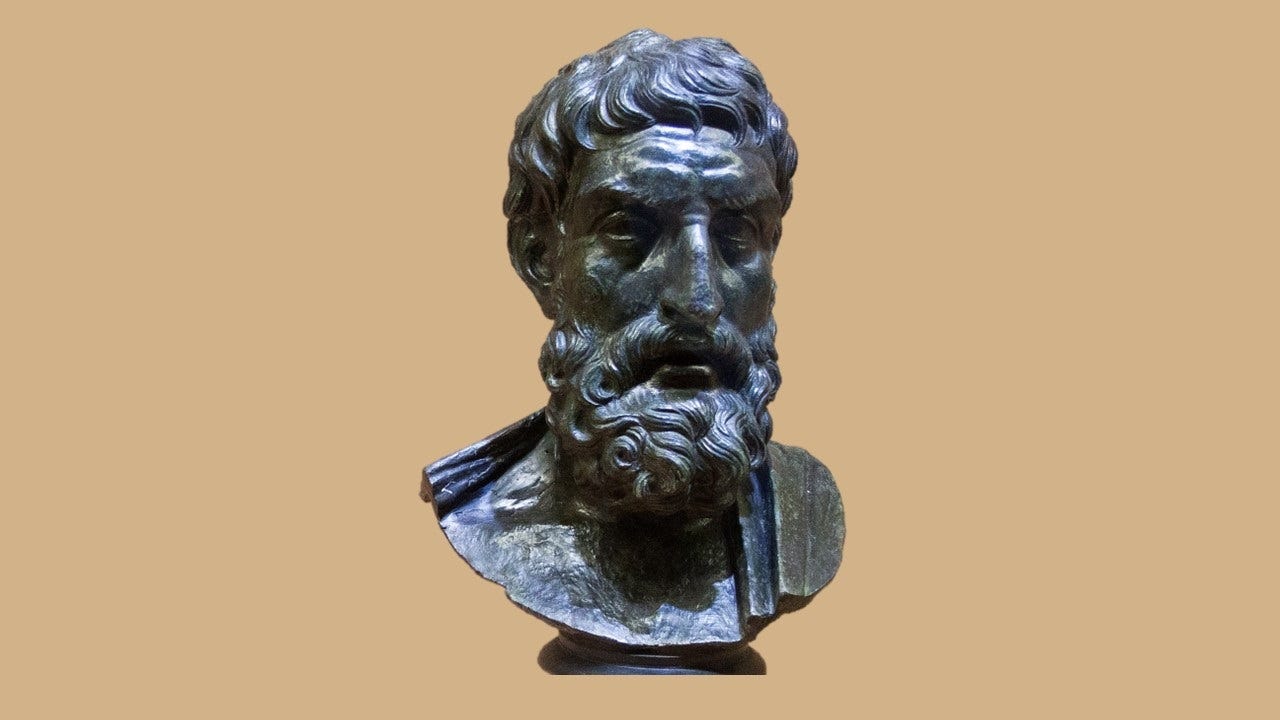
Likely between 86-83 BC, he traveled from Alexandria to Athens, where he studied Epicurean philosophy under the school’s head, Zeno of Sidon. Epicureans focused on hedonism, but a refined version of it, emphasizing moderation over excess. Pleasure (ἡδονή) is the highest good, but absence of pain (aponia) and mental tranquility (ataraxia) are the true goals – simple living, friendship, and rational choices, not orgies.
Philodemus then settled in Italy, first in Rome, and from the 70s BC onward lived mainly in ancient Herakleio (Herculaneum), where he founded an Epicurean philosophical school. There he became associated with Lucius Calpurnius Piso Caesoninus, the father-in-law of Julius Caesar. He died around 40 BC, probably in Neapolis (Naples). He is said to have influenced the Roman poets Virgil, Varro, and Horace.
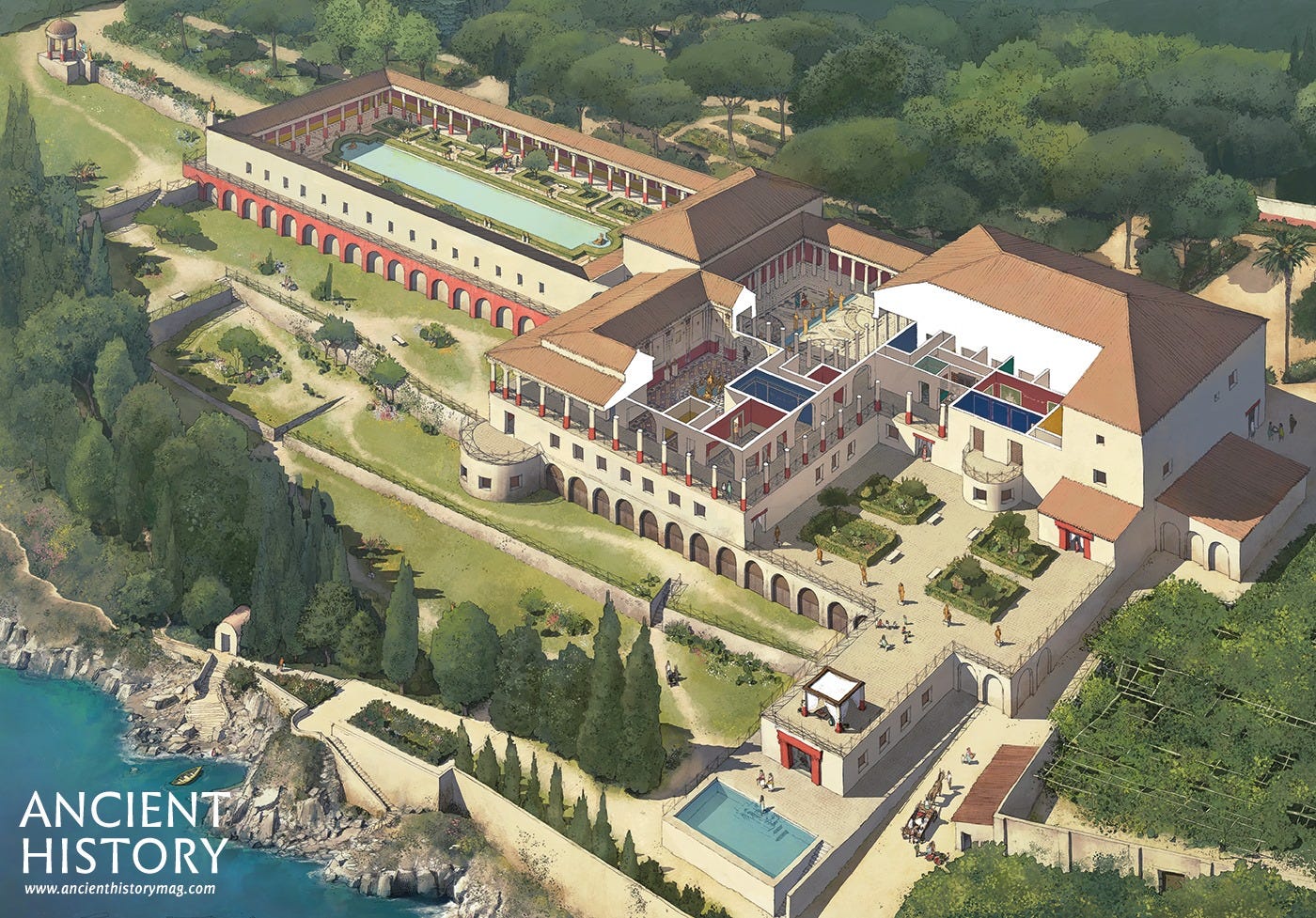
Fast forward on August 24, AD 79, the volcanic eruption of Vesuvius occurred. Besides the well-known city of Pompeii, another city, Herculaneum, was buried under meters of volcanic material. 1.700 years later, archaeological excavations brought to light the Roman villa belonging to Piso, Caesar’s father-in-law. Within the villa, an entire library was discovered consisting of papyrus texts, which is why archaeologists named it the “Villa of the Papyri.” The papyrus rolls had been carbonized and thus preserved by the volcanic eruption and the subsequent conditions.
From the time of their discovery until today, titanic efforts have been made to read them and the latest involve Artificial Intelligence assisting scientists in decoding the papyri. Over this period, hundreds of ancient texts have come to light for the first time in history. Many of these belong to Epicurean philosophy and specifically to the philosopher Philodemus, a fact that tends to confirm the existence of an Epicurean school in the Herculaneum area at the time of the catastrophe.
Among them are fragments from his work “On Piety,” which offers a radical reinterpretation of piety: Epicureanism does not reject the divine but purifies it of prejudices. Piety, ultimately, is an act of worship toward the gods and toward human life itself; it is the mortal’s effort to approach, even mentally, bliss, transforming worship from slavish submission into a pious act that brings ataraxia.
ON PIETY P.Herc. 1077
ΠΡΟΣΕΥΧΕΣΘΑΙ ΓΑΡ ΟΙΚΕΙΟΝ ΕΙΝΑΙ ΣΟΦΙΑΙ ΦΗΣΙΝ, ΟΥΧ ΩΣ
ΑΧΘΟΜΕΝΩΝ ΤΩΝ ΘΕΩΝ ΕΙ ΜΗ ΠΟΙΗΣΟΜΕΝ, ΑΛΛΑ ΚΑΤΑ
ΤΗΝ ΕΠΙΝΟΙΑΝ ΤΩΝ ΥΠΕΡΒΑΛΛΟΝΤΩΝ ΔΥΝΑΜΕΙ ΚΑΙ ΣΠΟΥ-
ΔΑΙΟΤΗΤΙ ΦΥΣΕΩΝ
([Epicurus] maintains that it is proper for wisdom to pray, not as if
the gods are grieved if we do not, but according to
the conception of natures’ superiority in power and excellence)
Translation to modern Greek by Christos Giapitzakis, from the book EPICUREAN MAXIMS, Thyrathen editions
TO SOPHISTS IV 10 TETRAPHARMAKOS, P.Herc. 1005, col 5
ΑΦΟΒΟΝ Ο ΘΕΟΣ
ΑΝΥΠΟΠΤΟΝ Ο ΘΑΝΑΤΟΣ
ΚΑΙ ΤΑΓΑΘΟΝ ΜΕΝ ΕΥΚΤΗΤΟΝ
ΤΟ ΔΕ ΔΕΙΝΟΝ ΕΥΕΚΑΡΤΕΡΗΤΟΝ

(God does not cause fear
death is untroubling
the good is attainable
the terrible is bearable)
Translation to modern Greek by Takis Panagiotopoulos
Yet even philosophers have a heart, as well as humor, so in the following poem, Philodemus describes his mistress Flora:
Ω ΠΟΔΟΣ, Ω ΚΝΗΜΗΣ, Ω ΤΩΝ (ΑΠΟΛΩΛΑ ΔΙΚΑΙΩΣ)
ΜΗΡΩΝ, Ω ΓΛΟΥΤΩΝ, Ω ΚΤΕΝΟΣ, Ω ΛΑΓΟΝΩΝ,
ΩΜΟΙΝ, Ω ΜΑΣΤΩΝ, Ω ΤΟΥ ΡΑΔΙΝΟΙΟ ΤΡΑΧΗΛΟΥ,
Ω ΧΕΙΡΩΝ, Ω ΤΩΝ (ΜΑΙΝΟΜΑΙ) ΟΜΜΑΤΙΩΝ,
Ω ΚΑΤΑΤΕΧΝΩΤΑΤΟΥ ΚΙΝΗΜΑΤΟΣ, Ω ΠΕΡΙΑΛΛΩΝ
ΓΛΩΤΤΙΣΜΩΝ, Ω ΤΩΝ (ΘΥ ΕΜΕ) ΦΩΝΑΡΙΩΝ.
ΕΙ Δ’ ΟΠΙΚΗ ΚΑΙ ΦΛΩΡΑ ΚΑΙ ΟΥΚ ΑΕΔΟΥΣΑ ΤΑ ΣΑΠΦΟΥΣ,
ΚΑΙ ΠΕΡΣΕΥΣ ΙΝΔΗΣ ΗΡΑΣΑΤ’ ΑΝΔΡΟΜΕΔΗΣ.
(Oh foot, oh calf, oh (I’m rightfully lost )
thighs, oh buttocks, oh slit, oh hips,
oh shoulders, oh breasts, oh slender neck,
oh hands, oh eyes (I’m raving),
oh most artful movements, oh embracing
kisses, oh whispers (set me aflame).
So what if she’s an Opica—a Flora who doesn’t sing Sappho,
even Perseus still fell for the dark-skinned Andromeda from India.)
So what if she’s Opica—derisively how Greeks called Italians as uncivilized barbarians—and Perseus took Andromeda who was from Ethiopia and dark like an Indian.
It seems that sometimes we must forget ataraxia and surrender to our instincts, especially when they involve έρως (love).
Until the next stack, ἔρρωσθε καὶ εὐδαιμονεῖτε.
Whether it’s just the price of a single frappé coffee or a book, every contribution matters. Donations help cover research, writing, and the resources needed to keep sharing my passion for uncovering the past and bringing history, archaeology, and culture to life:
If you want to join the community of historiophiles that have access to exclusive content and surprise gifts, you can take advantage of the following offer:
Thank you for a very informative article.🙌
Beats being a prude.
Here's a little history humor for you:
https://schrodingerschicken.substack.com/p/a-100-historically-accurate-confederate?r=6hnh8x