


Part 4 - Kapodistrias’ Final Hours
You can read Part 3 – The man who became a legend, here.
It was a sunny Sunday morning.
Dawn had just broken, yet the Governor was already ready to set out for Saint Spyridon. As he awaited the ringing of the church bells, he listened to the sounds of the city of Nafplio, which still seemed asleep: the lazy cries of the seagulls flying over the rooftops, the splash of the waves breaking on the harbor, and the wind making the leaves rustle and the narrow alleys whistle.
For the original text in Greek, scroll down.
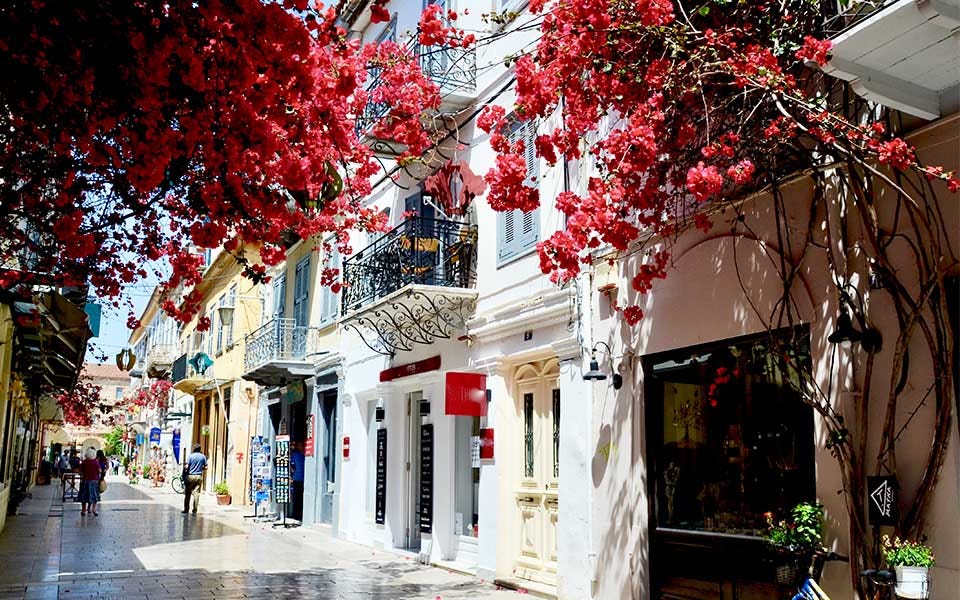
It truly was a beautiful day.
Naturally, he had woken long before the sun had bestowed its light upon the land of Argolis. When he rose, Nikoletos, his faithful servant, had already brought warm water and soap for shaving and had prepared his white shirt, his fine deep-blue frock coat, and the white trousers.
Indeed, Nikoletos was loyal to him. After the revelation of the conspiracy in August, just weeks earlier, and after the Governor’s magnanimity, Nikoletos looked at him with the devotion of a puppy. He was the first to wake and the last to sleep, always standing ready to provide for the Governor’s every need, even before he asked, not merely out of duty but from genuine affection. He truly loved the Governor, whom he called father and master.
It was a few days after the uprising of Andreas Miaoulis, the admiral from Hydra who fought so bravely during the Greek War of Independence, when the shipowners from Hydra approached Nikoletos. In the height of summer, Miaoulis had captured the naval base at Poros and proclaimed himself commander, aiming to stop the fleet from moving toward Mani and aiding the regular army against the rebellious Maniots—rebellious once again. The Maniots had risen up the previous year against the government, led by Tzanis Mavromichalis, brother of Petrobey Mavromichalis. The latter tried to escape to Zakynthos but was captured and imprisoned in Nafplio.
When the ships of the Great Powers hurried to Poros to suppress the uprising, Miaoulis blew up the Greek fleet, including its flagship, the frigate “Hellas,” which had been bought from the Americans only two years earlier with the first loans of the newly formed Greek state. Yet, the next day Kapodistrias declared that if the hostile actions stopped, “the government is ready to forget past grievances for their sake.” Nevertheless, it very hard for him to understand what it meant to belong to those families who have shed so much blood and given so much for the Revolution.
However, the Hydriots had other plans. After failing at Poros, they gave Nikoletos 25,000 coins to poison Kapodistrias. Wracked with guilt, Nikoletos confessed the plot to the Governor. And what did the Governor do? He let Nikoletos keep the money and continued to employ him.
One day, the town crier of Nafplio warned him, “Barba-Yanni, be careful or they will kill you.” Strangely, even the British vice-consul advised him to be cautious because his life was at risk. This was peculiar because the British, in particular, had become almost hostile toward Kapodistrias’s government, as they saw the fledgling state falling increasingly into the embrace of the Tsar.
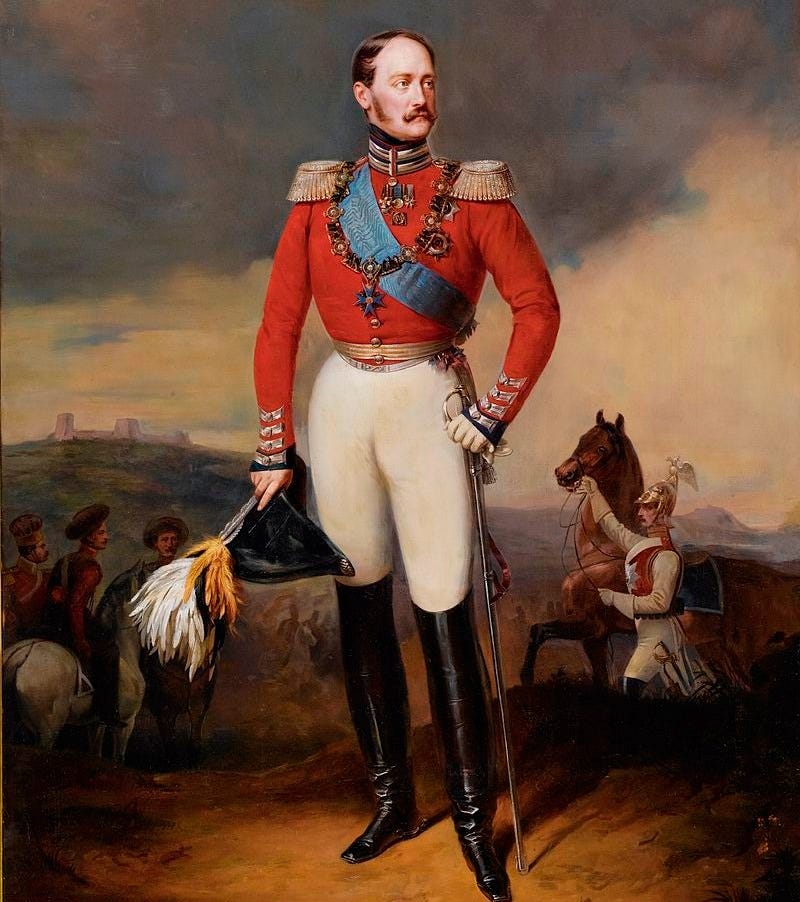
Although Kapodistrias tried to maintain a neutral stance among the Great Powers, once Nicholas succeeded Alexander on the throne, Russia remained the only power openly supporting the Greek cause, demonstrating its support in practice. Austria, due to Metternich, openly favored the Ottomans, while France, although grateful to Kapodistrias for his diplomatic work after the Napoleonic Wars alongside Tsar Alexander, tended to side with the British. The British were already preparing the next steps by seeking the first king of the newly formed state in European courts before Kapodistrias’ seven-year constitutional term ended.
Just the previous morning, the Governor received a copy of the London Courier newspaper featuring fierce criticism and harsh attacks against him. He paid no attention, once again focused on his one goal: the rebirth of Greece, which he would never achieve if he stopped to throw stones at every dog that barked.
As Kapodistrias shaved with the still warm water brought by his loyal servant, he recalled the hardships of the past years. “I have seen much in my life, but nothing like the sight when I arrived in the island of Aegina, may no one ever see the like,” he had said shortly after arriving in Greece in January 1828. The situation was that tragic after seven years of continuous war.
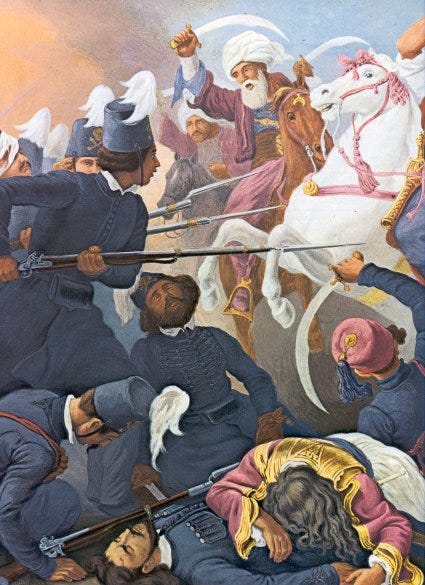
In 1821, the Greeks seized upon the Ottoman army’s preoccupation with suppressing Ali Pasha’s rebellion in Epirus and the Moldavia-Wallachia uprising led by Alexander Ypsilantis. Ypsilantis had called for the Balkan peoples to rise against the Ottomans with the slogan “Fight for faith and fatherland,” addressed to the Sacred Band, his elite armed unit. The black-clad Sacred Band members seemed to envy the glory of the Theban Sacred Band, who 2,159 years earlier had fallen to the Macedonian cavalry led by the man soon to be called the Great, at the Battle of Chaeronea. Ypsilantis’ Sacred Band was defeated at Dragatsani in Wallachia (now Romania) by the Ottoman cavalry before they could form a defensive square or ignite the spark of revolution across the Balkans.
At that time, Kapodistrias himself had refused to lead the Greeks, believing he could be more useful to their cause by serving alongside the Tsar, where he had worked for many years. However, when he saw that his efforts were ignored, he requested a leave of absence and retired to Switzerland. There, together with his friend Jean-Gabriel Eynard, head of the Philhellenic Committee in Geneva—whom he had met at the Congress of Vienna in 1814—he continued to spread the message of freedom across Europe and support the Greek struggle. “I want Greece to be the Delphi of the civilized world,” he once said, revealing his vision for a liberated Greece.
Meanwhile, the Greeks, after their early victories, had descended into civil strife. To make matters worse, in 1825 the Ottoman Porte sent Ibrahim, son of the Egyptian Pasha, to the Peloponnese with a modern, French-trained army. By 1827, the Revolution was faltering. Only a few areas of the Peloponnese and some islands remained free from Ottoman rule.
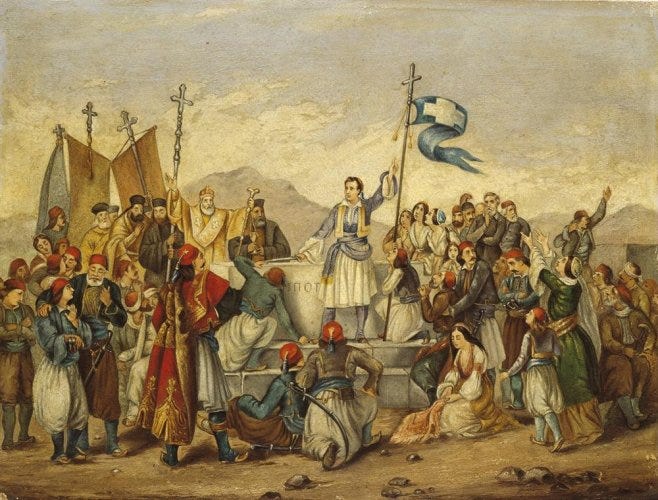
In April 1827, the Third National Assembly elected Kapodistrias as the first Governor of Greece. Instead of immediately assuming his duties, he embarked on a series of trips to European capitals to assess the chances of success for his mission. Indeed, the climate seemed to have shifted. Inspired by Romanticism, popular opinion across Europe spoke of the descendants of Pericles, enslaved under Islamic darkness. The French King Charles X and Prime Minister Villèle had expressed sympathy for the Greek cause. In England, the Foreign Secretary was the later Prime Minister, the philhellene George Canning, who sadly died at the end of the year, much to Kapodistrias’s misfortune. In Russia, Nicholas I had succeeded Alexander I and wished to counter the eastern ambitions of Britain and France, appearing as the self-appointed defender of Orthodoxy, a fierce opponent of Islam, and a supporter of autonomy for the Balkan peoples under Ottoman rule. Essentially, each Great Power coveted the territories of the declining Ottoman Empire, aimed to control any new state that would emerge, and sought to prevent others from doing the same.
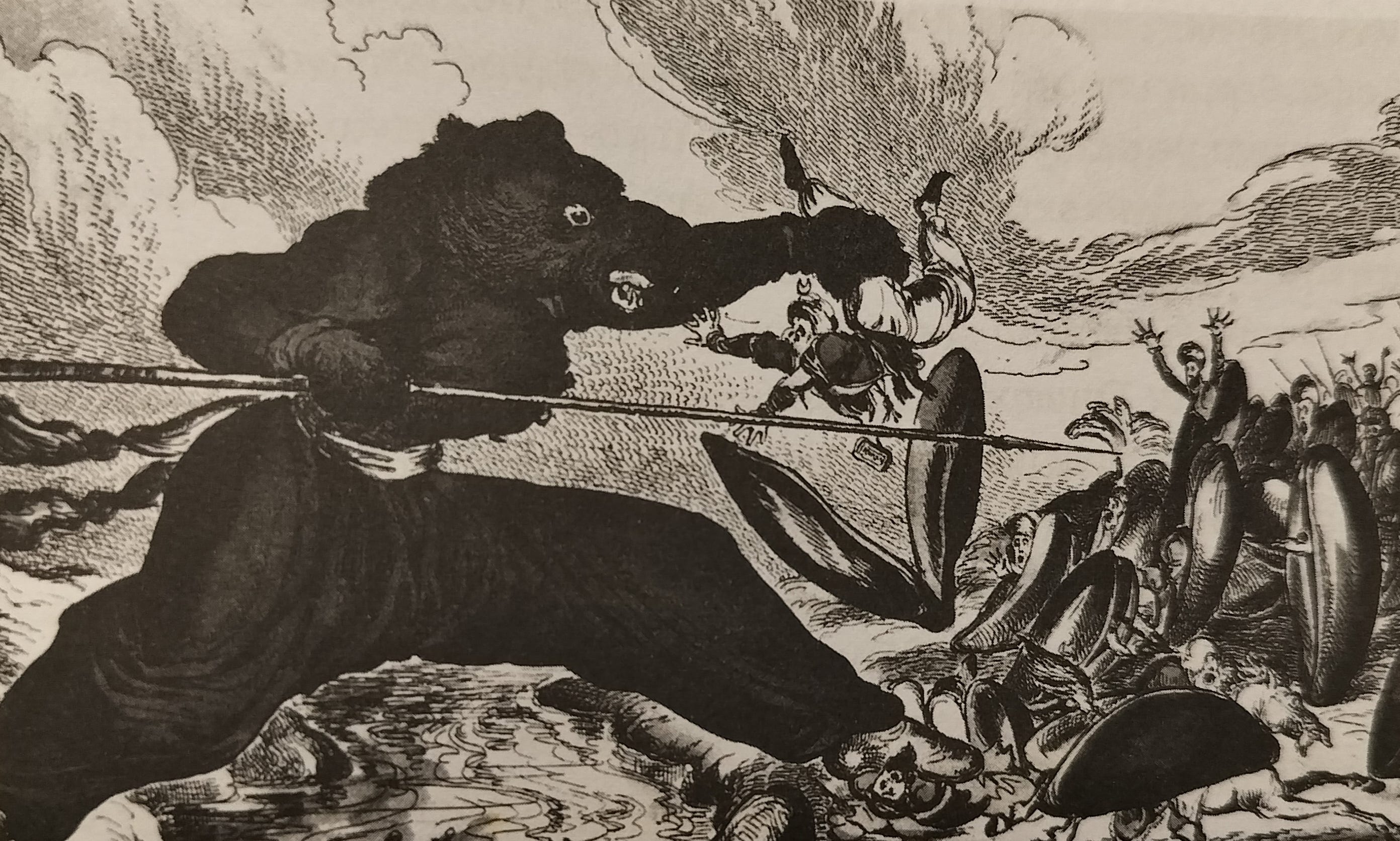
In June of the same year, the Treaty of London was signed between the United Kingdom, France, and the Russian Empire, recognizing for the first time the Greek state. However, it was to be autonomous for the moment and tributary to the Sultan—not fully independent. The treaty set a one-month deadline for the Ottoman Porte to accept the mediation of the Powers, after which their war fleets were authorized to take any measures deemed necessary to enforce peace. In October, the united Allied fleet defeated the Ottoman fleet at Navarino, severing the lifeline of Ibrahim Pasha. The Greeks had won by not losing. They had barely survived until the commitments made by the Powers at Vienna 12 years earlier had been forgotten, and the climate had shifted in their favor.
This was Kapodistrias’ moment.
For less than €4 a month, join the Historiophiles Community.
On iPhone? Subscribe in your browser at studyinghistory.gr for the lower price.
Not ready to upgrade? A like or restack helps other readers find Studying History. And if you would rather support one essay at a time, you can always treat me to a frappé coffee:
Who you will be supporting:


#/media/Αρχείο:Sacred_band_dragatsani_battle.jpg)